code brown
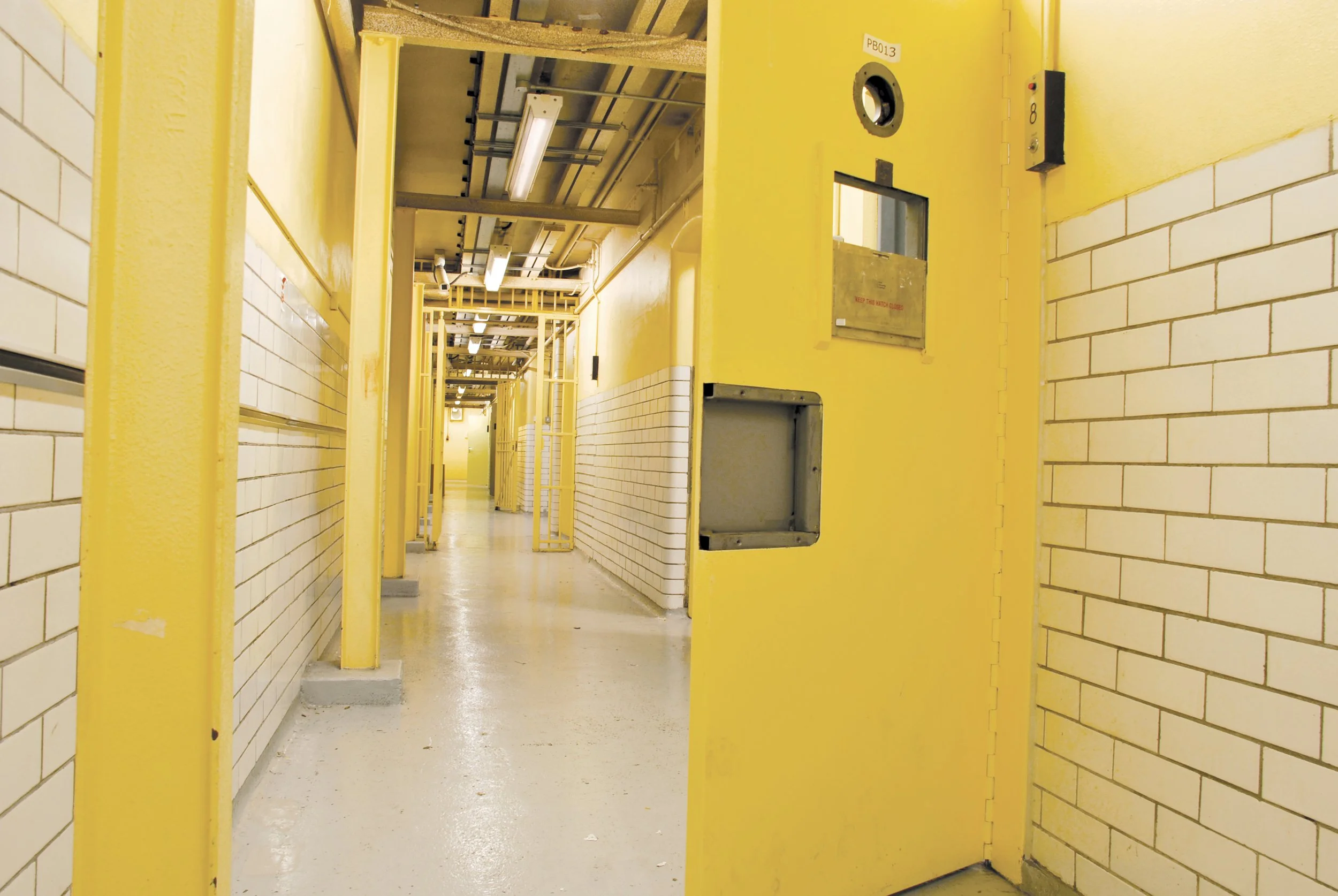
Dirty protests in police cells: why people do them and why they seem more common.
The frequency of the dirty protest appears to be on the rise. People who resort to using bodily fluids and solids to cause mayhem, certainly causes consternation and dismay amongst those tasked with caring for them. One nuance to this is that the sex of those doing the smearing is almost uniquely male. Women it would seem do not wish to strip naked and throw, smear and spread their faeces around a cell.
Made famous in the 1970’s, the hunger strikes and dirty protests of the inmates of the maze prison in Northern Ireland; political prisoner or terrorist depending on what side of the fence you sat on they had a cause and a desire to change the political landscape of the time. However, now the dirty protestor is no longer a prisoner with a strongly held belief system. It is young men who do not like being told no to their behaviour. The sad fact is that throwing poo around, throwing it at the staff, and smearing it into intercoms and onto the CCTV cameras is a behaviour of those unable to manage their emotional state whilst under arrest. The poo throwers will attempt to avoid going to court or being interviewed, blissfully unaware it will not change the outcome. They will stay in their own faeces until they leave. It is a difficult conversation to have at home to explain that somebody you don’t know, felt the need to throw their own poo at you unprovoked.
So why is this behaviour more common? I cannot answer that, but I feel there is a potential influence. Social media rewards shock. So, dramatic stunts spread faster. Perhaps the shock and reward psyche, and the perception that traditional channels don’t work, means people use these types of actions. Measured responses are becoming a thing of the past, concentration is dropping rapidly. I feel there may be a link between this behaviour and the quick hit, instant response, dopamine rush, electronic world we live in. Meaning people are less able to control or navigate complicated or challenging situations capably.
The sad fact is it is the minimum wage deep cleaning staff who have to come and clear away the excrement once they have left the cell. Working people clearing away the mess of someone they did not even meet, who had little or no regard for their actions. It is a saddening indictment of where we are heading socially.
colombian coffee
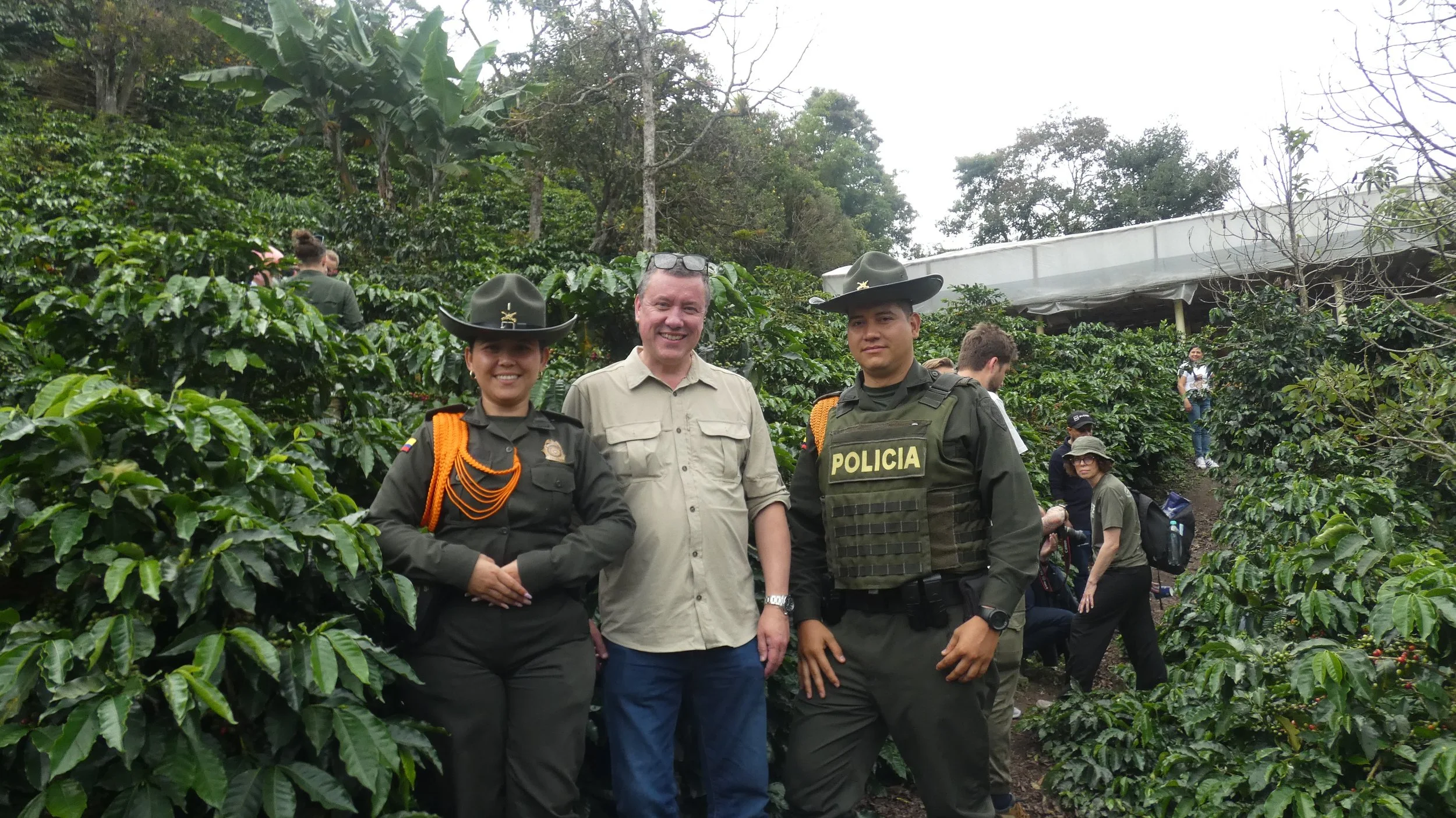
Why Colombian Coffee? We were fortunate enough to be able to visit Colombia this year. We were taken on a tour of the coffee plantations and met the smallholder farmers who live on the hills of Colombia’s Huila region. What stood out for me was the phenomenal hospitality we received from the farmers and their families. They work incredibly hard from dawn to dusk; growing coffee, plantain, sugar cane, oranges, surviving on the thinnest of margins. What struck me was their resilience and stoical attitude to life. I am sure helped by the incredible environment they live in, the views across the mountains covered in coffee plants and jungle were just inspiring. I’m certain, no actually I know, the beautiful surroundings affect their health in a positive way daily.
Their attitude to life is inspiring considering Colombia has been in 50 years of near civil war. The problems those people face are significant. They live on hillsides with no access to shops, restaurants, GP surgeries or urgent support from any emergency service. Due to the volatile situation within the country we were escorted around the hillside farms by police at all times. They were amazing, on several occasions helping us avoid armed contact with people who would have inflicted harm on us, or attempt to kidnap us.
The impression that Colombia left on me was huge. Those hardworking people making our coffee made me want to support them in some small way. Those people who see every day as an opportunity and every challenge as something to overcome. They certainly don’t spend their time glued to a device staring at social media, and they see family, old and young as hugely important to being happy. Lessons we could take note of in the way we live in the UK today.
That’s why Custody Coffee is from those farms we visited, supporting those farmers and their families .
We are also donating 10% of the list price of the coffee to The Thin Blue Line Charity to support police officers who have suffered issues with their mental health.
Whose Job is it?
Regularly criticized by the media, regulated heavily by law, and given processes that they have no control over. Unable to strike for pay or conditions. Subject to assault and injury daily (over 40,000 assaults last year, 12,000 resulting in physical injury) that is one every 10 minutes. They are regularly placed in situations that threaten their lives. The police take on their role with a candour that we should all be proud of.
I was ambivalent about the police until I started working with them. I have learnt that they are acute social services, acute mental health services, they deal with animal rescue, child protection, dispute resolution, they are hospital transport, traffic control, they are public order management, they are bearers of the most traumatic news, and they assist everyone and anyone in their hour of need. They also deal with crime. The police deal with the most complicated situations requiring insight and understanding with compassion and courage. They are not perfect but they are doing a job nobody else wants or cares about; until the creaking system shows a break in the ability to do that very job. Then they are vilified and pilloried by all areas of the traditional media, and personal ill informed opinion on social media.
We expect a lot from our public services. Those services are not a right they are the result of huge changes in society, often following seismic changes in our social landscape. Following World War 2 we saw the introduction of a national health care service. The poor law was only abolished in 1948. The last workhouse only closed in 1930. Less than 100 years ago if you were destitute you could end up in a workhouse, no benefit system to aid your situation.
We are now in a place where everyone knows their rights but not their responsibilities. The police are often the service that are charged to deal with the fallout of the breakdown in our communities, the lack of personal responsibility the daily challenges that face them; are all our problems. The police are being propelled into daily danger so frequently their propellers are at breaking point. We need a public conversation about the direction of what and how we want form our public services, not just keep piling on the problems of our society to deal with.